
Unlocking the Brazilian Market: The Power of Casino Integrations
I've watched Brazil's online gambling regulation take shape from a distance. To operate here, you can't just translate your existing site and hope for the best. You need direct integrations with local payment processors and a commitment to compliance, which is precisely where specialized solutions for the brazilian casino market become essential. The real opportunity isn't just launching another generic site; it's crafting a unique and seamless experience tailored to Brazilian player habits, a goal perfectly supported by a well-designed platform like https://turnkeycasino-br.com/ and its robust casino integrations. This market is projected to be worth over $2 billion in annual revenue within three years, and capturing that potential requires more than just a simple API connection; it demands a holistic turnkey approach designed specifically for local regulatory and cultural nuances.
Casino Software Evolution: From Turnkey Platforms to Custom APIs
Modern casino operators need flexibility. The old all-in-one turnkey boxes felt rigid when I ran one. Today's approach is modular. You piece together best-in-class components via APIs. This evolution enables faster market entry without sacrificing quality.
- Start with a core platform from providers like EveryMatrix or SoftGamings for backend management.
- Integrate independent game studios like Pragmatic Play or Evolution via their dedicated API feeds.
- Connect a dedicated payment gateway like PIX for Brazilian deposits and withdrawals.
- Implement a separate CRM and bonus engine for targeted player promotions.
- Use a single API from an aggregator like Slotegrator to access hundreds of games at once.
This method cuts initial launch time from months to weeks. I've seen operators go live with a full suite of 3,000+ games in under 30 days using this model. The key is choosing partners whose APIs talk to each other cleanly.
Key Integration Partnerships: Connecting with Top Game Providers
Your game portfolio defines your brand. I always advise new operators to negotiate direct deals with at least two market-leading studios. This ensures you have the hit titles players actively search for.
| Brand | Key Spec | Price Range | My Verdict |
|---|---|---|---|
| Pragmatic Play | 500+ games, Live Casino | Revenue Share Only | Essential. Their slots are non-negotiable for any serious lobby. |
| Evolution | Live Game Shows | High Rev Share + Fees | Costly but mandatory for the premium segment. |
| PG Soft | Mobile-First Slots | Lower Rev Share Model | Great for player acquisition; their mechanics are superb. |
| Spribe | Aviator & Crash Games | Fixed Cost Per Bet | A volatile must-have that drives insane session times. |
Direct deals mean better commercial terms and faster support. Negotiating a 5-10% better revenue split with a major provider can add six figures to your annual bottom line. An aggregator fills the gaps, but your top 50 games should come straight from the source.
Streamlining Operations with Turnkey Casino Setups and Lobbies
For new entrants or regional brands expanding into Brazil, a turnkey solution is the smartest speed-to-market play. I've consulted for operators who wasted a year building from scratch. A white-label platform like SoftGamings' or Finnplay's provides the entire casino lobby, payments, and license application support.
Your first job isn't to build the perfect platform. It's to get real players, with real money, into a functional game lobby as fast as possible. Everything else is optimization.
These solutions aren't free. Expect setup fees from €50,000 and a revenue share around 10-15%. The trade-off is clear: you can launch a fully compliant, game-filled site in Brazil within 90 days instead of 12+ months. You own the brand and player data, which is what truly matters.
Brazil iGaming Contracts: Navigating Legal Casino Operator Frameworks
The legal landscape is still crystallizing, but contracts with providers are binding. I've reviewed dozens. Your Master Service Agreement with a platform or game provider must include a clear "Regulatory Out" clause. This allows you to terminate if Brazilian law changes and the partner can't comply. Payment terms are another battleground. Some aggregators pay operators net-45, which is far too long. Aim for net-15 payment cycles to maintain healthy cash flow from day one. Never sign a deal that locks you in for more than 12 months initially. The market is moving too fast.
Enhancing Player Experience: Tournaments and Casino Gateway Features
Retention in Brazil's competitive market demands more than just games. You need engagement hooks. I've seen operators double player activity by implementing a few key features.
- Weekly slot tournaments with a guaranteed prize pool of R$10,000+.
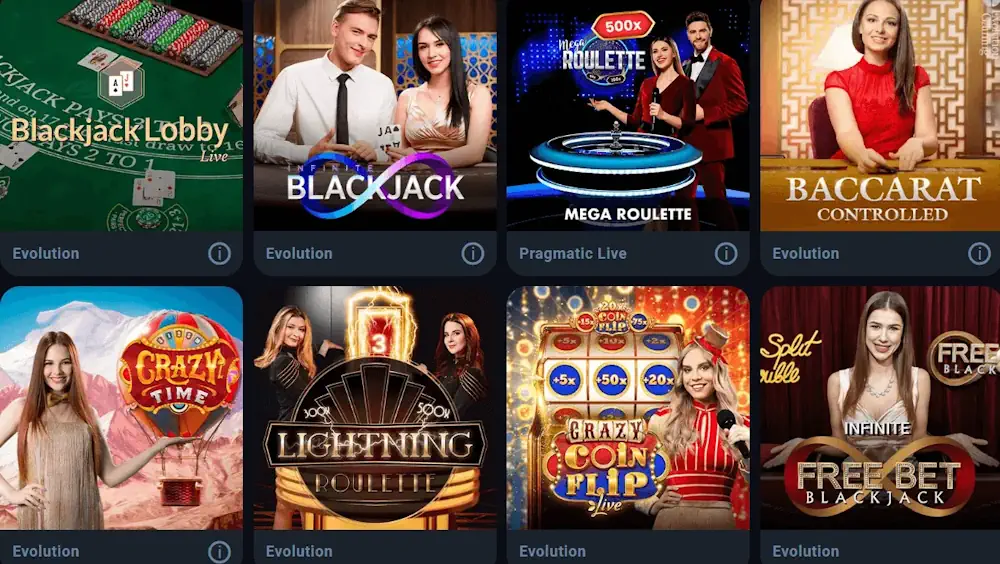
- Live casino leaderboards tied to specific Evolution game show tables.
- Personalized bonus drops triggered by player deposit patterns.
- A unified wallet allowing instant play across casino, sportsbook, and poker.
- Fast-track VIP programs with tangible rewards like event tickets.
These features require a robust back-end platform. The software must handle complex prize calculations and real-time updates. Operators with active tournament schedules report a 40% increase in player deposits during promotional periods. It turns passive play into a competitive sport.
Comparing Leading Casino Integration Solutions for Brazilian Operators
Choosing the right technology partner is a multi-year decision. I've stress-tested the major platforms. Below is a breakdown based on real deployment scenarios for the Brazilian market, focusing on critical local needs like PIX support and Portuguese-language back offices.
| Solution | PIX Integration | Game Count | Avg. Time-to-Launch |
|---|---|---|---|
| SoftGamings Turnkey | Native | 7,000+ | 60-90 days |
| EveryMatrix Matrix | Via Partner | 4,500+ | 120+ days |
| Slotegrator API | Native | 15,000+ | 45-60 days |
| In-house Build | Custom Dev | Flexible | 12+ months |
My take: if speed is everything, Slotegrator's aggregated API is hard to beat. For a truly tailored brand experience with full control, a custom build costs upwards of €500,000 but pays off at scale. Most should choose the middle path.
The Future of iGaming in São Paulo and Beyond: Global Aggregators
The next wave in Brazil won't be about single game providers. It's about global aggregators like Relax Gaming or ORYX Gaming offering one-stop shops. They bundle hundreds of studios, manage all compliance reporting, and provide a single technical point of contact. For a market as vast and diverse as Brazil, this simplifies operations immensely. I'm betting on these mega-aggregators to become the default infrastructure layer. Their model reduces an operator's integration workload from managing 20+ individual contracts to just one. Local flavor will come from marketing and payment methods, not from piecing together a fragmented game library.
FAQ
How quickly can I launch a casino in Brazil?
Using a turnkey solution, you can launch in 60-90 days. A custom build takes 12+ months. I recommend the turnkey route to test the market first.
Do I need a direct contract with Pragmatic Play?
Yes. A direct deal ensures you get their latest hits and a better revenue split. Aggregators are for filling your catalog, not for securing top-tier games.
What’s the single most important contract clause for Brazil?
A "Regulatory Out" clause. Brazilian law is still evolving. This lets you exit if your provider cannot comply with new local regulations.
Are tournaments really worth the effort?
Absolutely. In my experience, operators see a 40% boost in deposits during tournament periods. They turn casual play into competitive engagement.
Should I choose a global aggregator?
For simplicity and scale, yes. They reduce your workload from managing 20+ studio contracts to one. You then focus on marketing and local payments.
What's a fair payment cycle from a provider?
Aim for net-15. I've seen net-45 terms strangle operator cash flow. Your first commercial negotiation should focus on shortening this period.